


Our activities
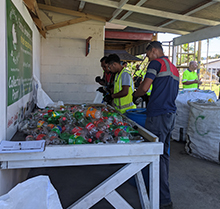
Solid waste
Solid Waste Management in the Pacific
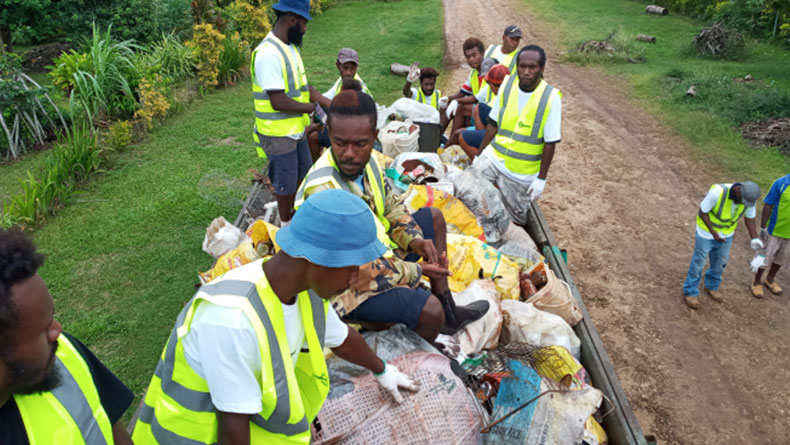
Solid waste is a growing challenge for Pacific Island countries, where limited land space, increasing consumption, and inadequate infrastructure make proper waste management difficult. Poorly managed waste can pollute land, freshwater, and coastal environments, threatening human health and biodiversity.
A more sustainable approach to managing solid waste involves adopting circular economy principles — reducing waste at the source, reusing materials, and recovering resources to create value from what would otherwise be discarded.
How SWAP2 is Responding
The SWAP2 project aims to improve the efficiency of solid waste management across the Pacific.
It will support the provision of equipment for landfill maintenance, composting of green waste, and pilot schemes for the appropriate treatment of plastics — such as separate collection, shredding or compacting for recycling — as well as workshops for recycling and metal recovery.
In addition, the project may provide funding to support local micro-initiatives that promote circular economy practices within communities.





This document has been produced with the financial assistance of the AFD. The views
expressed herein can in no way be taken to reflect the official opinion of the AFD.