


SWAP 2022 Steering Committee Strengthens Cleaner Pacific Focus
The second SWAP (Committing to Sustainable Waste Actions in the Pacific) Steering Committee Meeting has ended with a renewed focus from the project, countries and all the partners to accelerate efforts to improve lives in the Pacific through proper and sustainable waste management.
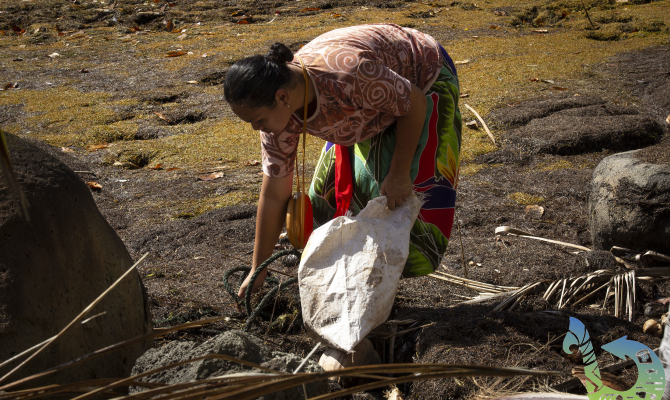
The pilot projects include the Fiji Coastal Litter Project in Fiji, Samoa Marine Litter Pilot Project
in Samoa, Honiara Marine Litter Pilot Project in the Solomon Islands, Nuku’alofa Waterfront
Clean-Up Campaign in Tonga, and Tackling Marine Litter in Selected Sites in Shefa Province in
Vanuatu.
This youth project is important as the involvement of youth people in coastal clean-up campaigns will educate them on what to do to
care for the future environmental concerns. The 14 coastal clean-ups will
be repeated after six months, and the coastal litter will be examined using a scientifically robust methodology developed by the OSPAR Convention (the OSPAR Convention is the legal
instrument guiding international cooperation on the protection of the marine environment of the North-East Atlantic (NEA)) and
the Litter Intelligence Application through Sustainable Coastlines which is recommended by the SWAP project.
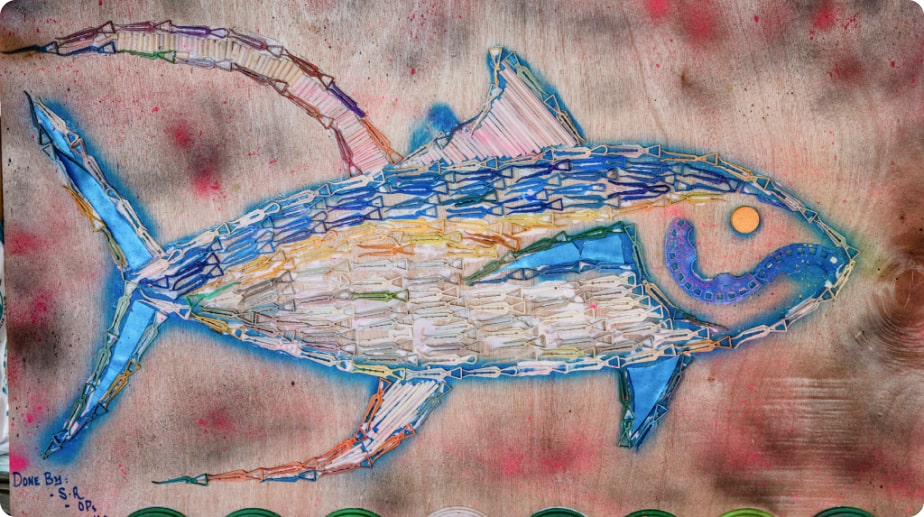
This project aims to contribute to the objectives and goals of SWAP through the marine debris management in Samoa. The clean
-up will target the coastal locations of Upolu and Savaii. Furthermore, the project aims to hold clean-up days that occur every three
months and to gather data over a six-month period to gauge what the trends in littering are. Samoa will greatly benefit from this
project as the country has a sensitive coastal ecosystem and it can impact their primary source of livelihood such as fisheries and
tourism.
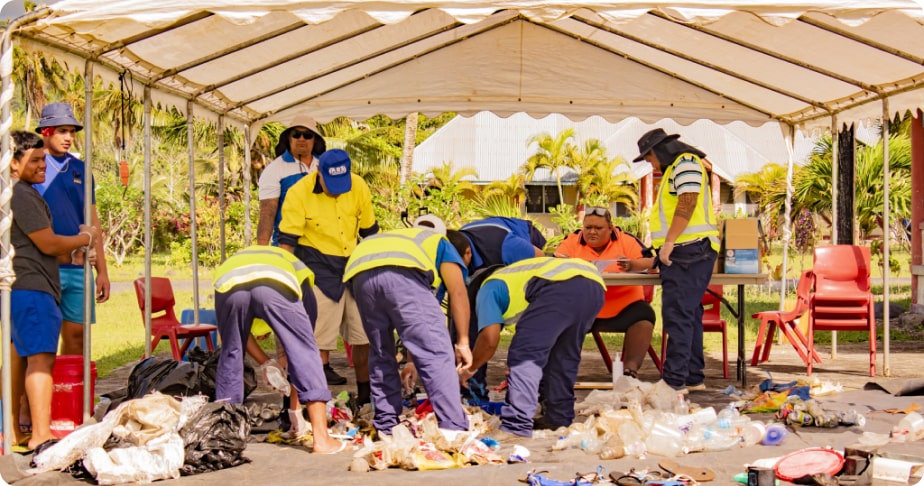
This project targets emerging waste management and litter issues in the Mataniko River in Honiara City, Solomon Island. Clean-
ups of the waste affected areas will happen every three months and the data collected through a litter audit will be used to gain
insights and determine reliable trends in littering. The overall goal of this project is to apply a better, more sustainable way
of reducing pollution through the coastline of Solomon Islands and to prepare Honiara City for the hosting of the Pacific Games in
2023. Awareness campaigns are also at the forefront of SWAP project objectives as residents and civil society groups will be influenced to participate in the clean-ups.
This proposed project aims to conduct a coastal clean-up programme along the Nuku’alofa waterfront, Tonga. This another
location where SWAP will conduct a series of waterfront clean-ups to spread awareness in fun and engaging ways for volunteers
and stakeholders, and gather information through litter audit using the Litter Intelligence App. Overall, the environmental outcomes
of the project include: Marine species restoration, habitat rehabilitation, prevention of disease outbreak and clean air.
Vanuatu is highlighted through the SWAP project due to the challenges faced in waste management, particularly in waste collection, treatment, and proper disposal. If waste is left unmanaged, it can leak into the marine environment as marine debris
which can harm the precious ecosystem. SWAP will effectively address the core issues and provide solutions such as assisting the government in progressing its reforms to ban single-use plastics. SWAP also intends to emphasise the implementation of good practices to help support the populations and local authorities.



Ce document a été élaboré avec le soutien financier de l’AFD.
Son contenu ne reflète en aucun cas les opinions officielles de l’AFD.